
Do you have rough little bumps on your upper arms or thighs? You may have keratosis pilaris, a common and harmless skin condition. This UK guide explains what it is and how to care for it gently. First, it helps to know that the bumps are not acne, and they are not your fault. In fact, many people in the UK live with them, and simple habits can make the skin feel smoother.
What Is Keratosis Pilaris?
Keratosis pilaris happens when keratin, a protein in skin, builds up and blocks hair follicles. The result is small, rough bumps that feel like sandpaper. They often look skin-coloured, pink or brown, and they may sit on the upper arms, thighs, cheeks or buttocks. In short, the condition is harmless, and it is not contagious. It often runs in families, and it may come and go with the seasons. Winter dry air can make it look worse. Hot showers can make it look worse too. Most people with keratosis pilaris find the bumps fade a little with age.
Where Keratosis Pilaris Appears
The bumps favour the upper arms and thighs, but they can show up elsewhere too. Some people find them on the cheeks, especially in childhood. The spot matters less than the care: gentle habits help wherever the bumps sit.
Keratosis Pilaris: What Helps the Bumps?
Keratosis pilaris responds best to routine, not to harsh treatment. You cannot cure the bumps, but steady care softens them. First, moisturise every day. A rich, fragrance-free cream helps the skin hold water, and it smooths the rough feel. Next, exfoliate lightly, once or twice a week. A gentle exfoliant with lactic or salicylic acid can loosen the plugs. However, do not scrub hard. Rough scrubs can irritate the skin and make the bumps look redder. Also, keep showers lukewarm and short. Hot water dries the skin, and that makes the bumps stand out more. Finally, wear sunscreen on any exposed bumps. Sun can darken the marks around them.
Blackheads vs Whiteheads
Blackheads and whiteheads are both blocked pores, but they look different. A blackhead is an open pore, and the dark top comes from oxidised oil and dead skin, not dirt. A whitehead is a closed pore, so the plug sits under a thin layer of skin and looks pale. In other words, the colour tells you whether the pore is open or shut. Both come from the same mix: oil, dead skin and a narrow pore. Also, squeezing them can push the plug deeper and leave a mark. So leave them alone, and let gentle care do the work instead.
How to Get Rid of Whiteheads Gently
Start gently, and give it time. First, wash your face twice a day with lukewarm water and a mild cleanser. Next, use a light exfoliant two or three times a week. It helps clear the dead skin that blocks pores. However, do not pile on strong products at once. Too many actives can sting and dry the skin. Also, moisturise after cleansing, even if your skin feels oily. A light, non-comedogenic cream keeps the skin calm. Finally, change your pillowcase often and keep your hands off your face. Small habits like these stop new whiteheads from forming.
Retinoids: What They Do and How to Use Them Carefully
Retinoids are a family of vitamin A compounds that speed up skin cell turnover. They can help with blackheads, whiteheads and uneven texture. Dermatologists often call them a useful tool for clearer skin. However, retinoids need care.
They can dry the skin and make it more sensitive to sun. So start slowly, with a small amount a few nights a week. Build up only if your skin stays calm. Also, use sunscreen each morning, because retinoids raise sunburn risk. If you are pregnant, planning a pregnancy or unsure, ask a GP or dermatologist first. For a detailed look at one well-known retinoid, read our tretinoin guide. It covers the topic in depth.
Water Based Cleanser: A Gentle Start
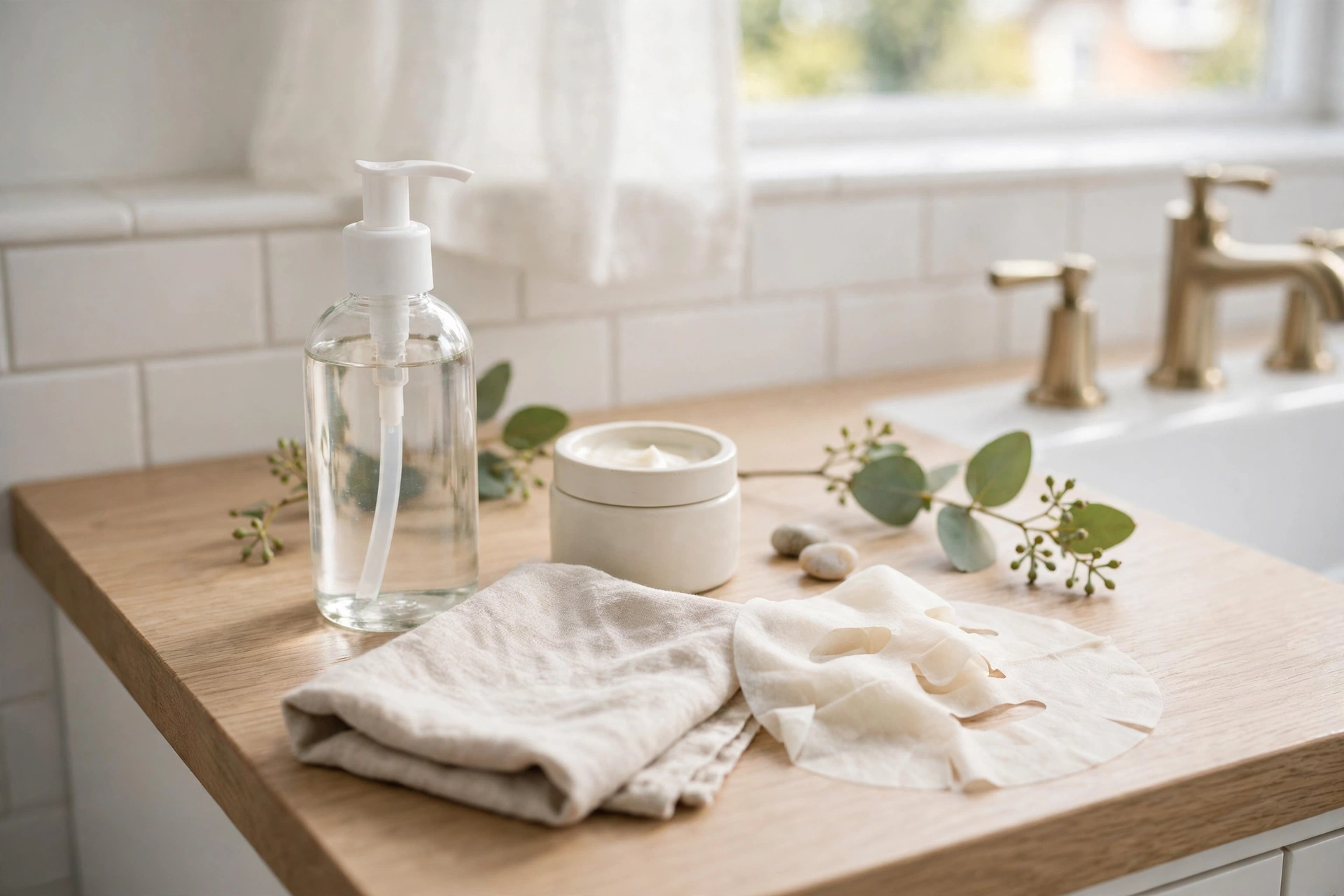
A water based cleanser suits most skin types, and it is a gentle place to start. It lifts dirt and sunscreen without stripping the skin. First, wet your face with lukewarm water. Next, massage a small amount over the skin for 30 seconds. Then rinse well, and pat dry with a soft towel. Do not rub, because friction can irritate the skin. Also, choose a fragrance-free formula if your skin stings. In short, a gentle wash sets up everything that follows.
Toner for What, Exactly?
You may wonder: toner for what, exactly? A toner is a light liquid for after cleansing, before moisturiser. It can remove the last traces of cleanser and add hydration. Some contain mild acids, while others simply soothe. However, toner is optional. If your skin feels fine without it, you can skip it. If you use one, pick an alcohol-free formula and apply it with your hands. That way, you waste less and rub the skin less.
Damaged Skin Barrier: Signs and How to Support It
Your skin barrier is the outer layer that keeps water in and irritants out. A damaged skin barrier shows up in clear ways. Your skin may feel tight after washing, sting when you apply products, or look red. Also, it may break out while still feeling dry. In other words, the skin loses water faster than it can replace it. So what causes the damage? Too much exfoliation, strong actives, hot water and harsh cleansers all play a part.
To support the barrier, simplify your routine. First, pause exfoliants and retinoids for a few weeks. Next, cleanse once or twice a day with a mild, fragrance-free cleanser. Then moisturise on damp skin, morning and night. Look for ceramides, glycerin and hyaluronic acid in your cream. Finally, wear sunscreen every morning. Most people feel calmer skin within two to four weeks. If the skin stays sore, red or cracked, see a GP or dermatologist.
Dark Marks and Skin Blemishes
Dark marks often follow spots and linger for weeks. Inflammation triggers extra pigment in the skin. A black spot remover or a black mark remover aims to fade these marks. It usually uses gentle brightening ingredients. However, no cream erases marks overnight. So be patient and protect the skin from sun. UV darkens marks and slows fading. Also, do not pick at spots. Picking spreads inflammation and makes marks worse. In fact, the best fix for skin blemishes is often prevention. Cleanse gently, protect from sun and keep hands off the face. If a mark changes shape, grows or bleeds, see a GP promptly.
How Do I Get Rid of Under Eye Circles?
Under eye circles have many causes, and the fix depends on the cause. Thin skin can show the blood vessels beneath, and that looks dark. Lack of sleep, allergies and rubbing make them look worse. So start with the basics. First, sleep seven to nine hours a night with your head slightly raised. Next, wear sunscreen, because sun can darken the skin there. An under eye treatment usually means a gentle, hydrating eye cream, used morning and night. However, creams can only do so much. For puffiness, try a cool compress for a few minutes. Also, do not rub the area, because rubbing breaks tiny vessels and deepens the colour. If the circles appear suddenly, or come with swelling, ask a GP for advice.
A Face Mask Gift Set: A Gentle Way to Try Skincare
A face mask gift set lets you try new skincare without buying full sizes. It usually holds several small masks, for hydration, calming or gentle exfoliation. First, check the ingredients, and skip strong fragrance if your skin is sensitive. Next, patch test each mask behind the ear and wait a day. Then use one mask at a time, once or twice a week. Also, follow the time on the pack. Leaving a mask on too long can dry the skin. In short, a gift set suits beginners, and it makes a thoughtful present.
Keratosis Pilaris: A Simple Weekly Routine
A simple routine beats a busy one, especially for bumpy skin. On most days, wash with a gentle, water based cleanser, then moisturise on damp skin. Twice a week, use a mild exfoliating wash on the bumps, then a rich cream. On retinoid nights, skip the exfoliant and keep the rest simple. In the morning, always finish with sunscreen on exposed skin. Above all, stay consistent. The bumps fade slowly, over weeks, not days. So track how your skin feels and adjust one thing at a time. If keratosis pilaris flares after a hot shower, shorten the shower and moisturise at once.
When to See a GP or Dermatologist
Most skin concerns improve with gentle care, but some need a professional. See a GP or dermatologist if a rash spreads, blisters or oozes, or the skin stays red and painful. Also, seek advice if a mole or mark changes shape, colour or size. If a product causes swelling, hives or trouble breathing, seek urgent care at once. In short, trust your instincts. If something feels wrong, it is always worth asking. A pharmacist can also help, and they can tell you when a GP visit is the right step.
Keratosis Pilaris FAQs
Can keratosis pilaris go away on its own?
Often, yes, it fades with age. Many teenagers find the bumps soften in their twenties. So keep moisturising, even when the skin looks calm.
Is it contagious?
No. You cannot catch it or spread it. It runs in families, and it is simply how some skin behaves.
Can I scrub the bumps away?
No. Hard scrubbing irritates the skin and can make the bumps redder. Use a gentle exfoliant once or twice a week instead.
Do retinoids help blackheads?
They can, because they speed up cell turnover and stop pores from clogging. However, start slowly, and always use sunscreen. If your skin stings, pause and ask a pharmacist or GP.
How long does barrier repair take?
Most people notice calmer skin within two to four weeks. Deeper damage can take longer. So stay patient, and keep the routine boring until the skin settles.
What should I do about dark marks?
Protect them from sun, do not pick at spots, and give the skin time. If a mark changes shape or bleeds, see a GP.
With steady care, keratosis pilaris becomes easier to live with. Gentle cleansing, regular moisturising and sun protection do most of the work. This guide is general information, not medical advice. If a skin concern persists or worsens, see a GP or dermatologist.





















Leave a Reply