
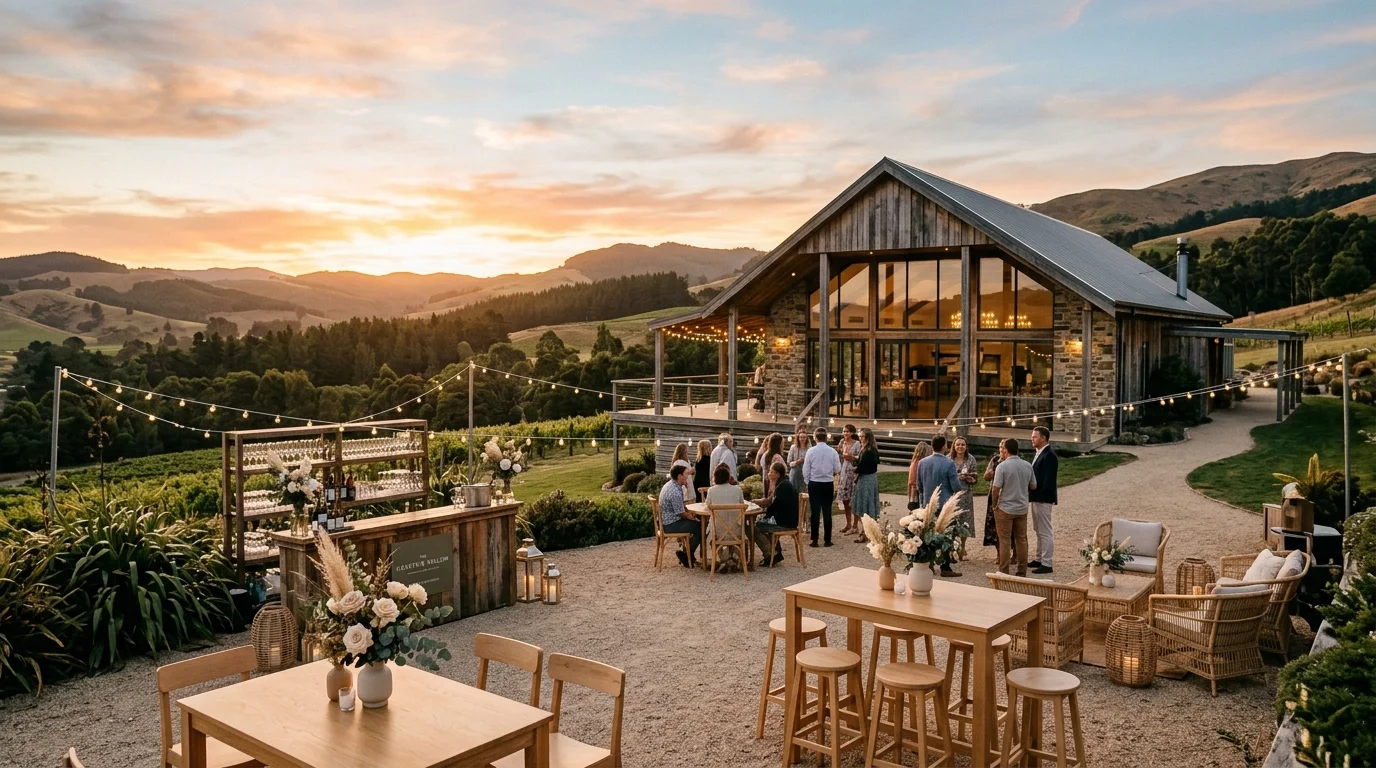
Finding the setting for your wedding is easily one of the most exciting milestones of your entire engagement. The location you select forms the physical backdrop for your vows, shapes the atmosphere for your guests, and dictates nearly every logistical detail that follows. Learning how to choose a wedding venue requires balancing genuine aesthetic excitement with smart, practical considerations.
When couples begin their wedding venue search, it is easy to get swept away by picture-perfect photos online. However, an unforgettable celebration requires a functional space that respects your financial boundaries, accommodates your loved ones comfortably, and offers dependable flexibility. This comprehensive guide walks you through every phase of the process, ensuring you book the right space with absolute clarity and zero regrets. While balancing aesthetics and guest comfort is important, understanding how to choose a wedding venue ultimately comes down to vetting the contract details and spatial flow before making a final commitment.
Phase 1: Lock in Your Core Non-Negotiables
Before you schedule site visits or browse listings, you must define the practical constraints of your celebration. Establishing your baseline early prevents you from falling in love with a property that cannot work for your numbers or your wallet.
Calculating Your True Wedding Venue Budget
Your location and catering will collectively account for approximately 40% to 50% of your total wedding funds. When building your initial wedding venue budget, look past the baseline rental rate. A venue with a lower upfront fee might require you to hire outside restrooms, power generators, lighting, and kitchen equipment, which quickly drives up total costs.
Always ask venue managers whether their quotes include sales tax, mandatory gratuities, clean-up fees, and standard service charges. Factoring in these line items from day one keeps your finances grounded and predictable.
Defining Guest List Size and Venue Capacity Limits
Guest count directly influences every dimension of your venue search. Drafting an initial guest list before touring properties prevents major headaches later:
-
Maximum Fire-Code Capacity: Never book a space where your expected headcount matches the absolute legal limit. A room filled to 100% capacity feels congested and leaves minimal space for a dance floor, bar lines, or entertainment.
-
Daytime vs. Evening Capacity: Many historic venues, barns, and country estates offer separate capacities for daytime seated meals and evening celebrations. Confirm both numbers to make sure your evening reception flows comfortably.
-
The “Goldilocks” Scale: Spaces that are too small feel cramped, while oversized halls can feel cold and empty. Aim for a venue capacity that comfortably accommodates your expected guest count with a 10% to 15% buffer.
Seasonality, Dates, and Cost Savings
Your wedding date directly impacts venue availability and pricing. Saturdays during peak season (typically late spring through early autumn) command premium rates and often require high minimum food and beverage spends. If you are open to holding your celebration on a Friday, Sunday, or during off-peak winter months, venues frequently offer substantial discounts, lower minimum headcounts, and extra perks. Beyond falling in love with the scenery, knowing how to choose a wedding venue requires looking past the surface to evaluate practical floor plans, hidden costs, and operational rules.
Phase 2: Choosing Your Venue Format, Style, and Privacy Level
Wedding properties operate under very different business models. Choosing the right format depends on how much planning you want to handle yourself versus having a dedicated on-site team manage details for you.
| Feature / Model | All-Inclusive Packages (Turnkey) | Dry-Hire / Blank Canvas Venues |
| Setup & Inclusions | Tables, chairs, linens, tableware, and basic lighting included. | Empty space; you bring in tables, seating, decor, and utilities. |
| Catering Operations | In-house kitchen team with set menu packages. | External caterers required; you manage kitchen setup and logistics. |
| Planning Effort | Streamlined and low-stress; on-site coordinator manages operations. | High DIY effort; requires hands-on management or an independent planner. |
| Budget Control | Highly predictable total costs with fewer surprises. | Flexible line items, but hiring separate suppliers can increase overall spend. |
All-Inclusive vs. Dry-Hire Blank Canvas Venues
An all-inclusive wedding package gives you predictable pricing and simplified communication. The venue provides the infrastructure, kitchen staff, tableware, bar service, and on-site coordination.
Conversely, a dry-hire or blank canvas property provides the physical building or grounds while leaving all supplier sourcing to you. While dry-hire formats offer complete creative control over your styling, food trucks, or specialty bars, the logistics of coordinating multiple deliveries require careful organization.
Exclusive Use vs. Shared Public Grounds
When evaluating private estates, vineyards, or large country manor hotels, clarify their exclusivity policies:
-
Exclusive-Use Wedding Venue: You and your guests have private, sole access to the entire property, grounds, and facilities for the duration of the hire period. This ensures complete privacy for photographs and personal moments.
-
Multi-Event or Shared Properties: Large hotels and civic venues may host two weddings on the same day or keep public restaurants and golf courses open to regular patrons. If you select a shared venue, confirm where your guest zones begin and end to maintain an intimate feel.
Aligning Venue Aesthetics with Your Vision
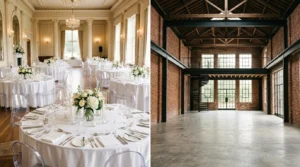
Your venue should naturally complement the ambiance you want to create. Transforming a dark, rustic barn wedding venue into a sleek, ultra-modern black-tie ballroom takes an enormous amount of draping, lighting, and floral installation. Selecting a property that already embodies your chosen design aesthetic (whether that is a historic manor, industrial warehouse, garden glasshouse, or coastal marquee) saves you significant decor expenses.
Phase 3: Spatial Mechanics, Layout Flow, and Logistics
A visually stunning space can quickly lose its appeal if the operational logistics cause bottlenecks or discomfort for your guests. Understanding how to choose a wedding venue means looking at physical layouts with a practical eye.
Layout Transitions and Room Flip Timing
If your ceremony and reception take place in the same central hall, the venue will need to perform a “room flip” while guests enjoy drinks in another area.
-
Ask the venue coordinator how long this transition takes and where your guests will comfortably wait during the turnaround.
-
Confirm that the venue has dedicated service routes so staff members are not carrying banquet tables and trash bins through your cocktail party.
-
Ensure the bar area, photo booths, and dance floor are situated close together so the party energy stays concentrated in one lively hub.
Accessibility, Parking, and Guest Travel
Consider the complete journey your guests will make from the moment they arrive:
-
Transit and Access: Is the property accessible via well-maintained roads, or does it require navigating narrow rural tracks? Is there ample on-site parking, or will you need to organize shuttle buses from nearby hotels?
-
Physical Accessibility: Look for step-free access, ramps, functional elevators, and accessible restroom facilities for elderly guests or anyone with mobility needs.
-
Accommodation Proximity: If the venue does not have guest bedrooms on site, verify that quality local hotels are located within a convenient 15-minute taxi ride.
Outdoor Ceremonies and the Plan B Weather Contingency
Outdoor settings offer breathtaking views, but weather is always unpredictable. A backup plan must never feel like a disappointing compromise.
When touring outdoor properties, inspect the dedicated indoor or covered backup space with the same critical attention you give to the primary lawn or garden. Ensure the indoor alternative offers pleasing natural light, adequate heating or air conditioning, and sufficient room for your entire ceremony seating arrangement without feeling crowded.
Phase 4: Navigating Fine Print, Supplier Policies, and Hidden Fees
Many wedding budget surprises stem from contractual restrictions and venue rules rather than the baseline hire fee. A solid understanding of how to choose a wedding venue protects your budget from unexpected surcharges.
In-House Caterers vs. External Supplier Rules
Food and drink define a substantial part of the guest experience. Before signing an agreement, review the venue supplier guidelines:
-
Mandatory Preferred Vendor Lists: Some venues require you to select florists, DJs, and caterers exclusively from their approved directory. If you have specific independent suppliers in mind, check whether the venue permits outside vendors and whether they charge an off-list buyout fee.
-
Dietary Management and Cultural Catering: Confirm that the on-site culinary team can accommodate vegan, gluten-free, halal, or kosher requirements safely with dedicated preparation areas.
The Hidden Costs Checklist
Before you finalize your commitment, cross-reference your quote against this list of commonly overlooked fees:
-
Corkage Fees: The flat per-bottle charge applied if you bring in your own wine, champagne, or spirits.
-
Setup and Breakdown Windows: Extra hourly rates charged if your decor team or florist needs access early in the morning or past midnight.
-
Kitchen and Cleaning Surcharges: Additional fees for commercial waste removal, post-event cleaning, or external kitchen prep space.
-
Staffing Ratios: Mandatory service gratuities or supplemental charges for additional bartenders and cloakroom attendants.
Curfews and Sound Limiter Restrictions
Local council regulations and residential zoning laws often enforce strict evening operational restrictions:
-
Decibel Limiters: Many countryside and municipal venues install electronic sound limiters that automatically cut power to the band or DJ if music exceeds a set volume. Share these decibel caps with your musical acts in advance to ensure they can perform with their standard equipment.
-
Curfew Cutoffs: Verify the precise time that bar service ends and amplified music must stop. A venue with an 11:00 PM hard curfew requires a different timeline than a private estate licensed until 2:00 AM.
Phase 5: The On-Site Walkthrough and Contract Playbook
Visiting venues in person allows you to evaluate intangible qualities, such as lighting, staff professionalism, and overall atmosphere. Learning how to choose a wedding venue comes down to asking direct, informed questions during these visits.
Essential Questions to Ask Before Paying a Deposit
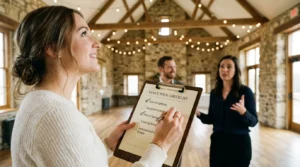
During your physical walkthrough, bring a dedicated notebook and run through these essential questions with the venue manager:
-
What exact spaces, rooms, and grounds are included in our rental fee?
-
Are there any other events, weddings, or public activities scheduled on the property on our date?
-
What is the guaranteed time our suppliers can arrive to begin setting up in the morning?
-
What is the latest time all music must stop, the bar must close, and guests must depart?
-
How many functional restrooms are available in the main reception space?
-
Are open-flame candles, sparklers, hanging installations, or confetti permitted on site?
-
Does the venue provide a dedicated coordinator on the wedding day, and what are their specific duties compared to an independent planner?
-
What is the total deposit required to hold our date, and what does the scheduled installment plan look like?
-
What is your formal cancellation, postponement, and refund policy in the event of unexpected circumstances?
-
Is event liability insurance required from the couple or our third-party vendors?
Contract Red Flags, Deposits, and Date Holds
When you find a location that aligns with your criteria, request a formal contract and take 48 hours to read through every clause carefully:
-
Soft Holds vs. Hard Deposits: A soft hold temporarily reserves your date for a few days without financial commitment, whereas a deposit locks the date in permanently. Never transfer funds until you have reviewed the complete, written contract terms.
-
Damage Deposits and Insurance: Clarify how and when refundable security deposits are returned post-event, and confirm what level of general liability coverage your suppliers must carry.
-
Trusting Your Instincts: Beyond numbers and floor plans, consider how the venue team treats your inquiries. A responsive, transparent, and welcoming management staff is one of the best indicators of a stress-free wedding day.
FAQs
When should you book your wedding venue?
Most couples book their primary wedding venue 12 to 18 months before their target wedding date. If you have your heart set on a specific peak-season Saturday or a highly sought-after venue, starting your search up to two years in advance provides the best selection.
How many wedding venues should you tour before deciding?
Touring between 3 and 5 shortlisted venues is usually ideal. Visiting fewer than three may leave you wondering about other possibilities, while touring more than six can lead to decision fatigue and make distinct details blur together.
Can you negotiate prices with wedding venues?
Yes, especially if you are considering off-peak dates, weekdays, or short-lead bookings. While premier venues may not discount their base hire fee, they are often open to waiving ceremony room fees, upgrading drink packages, or offering complimentary bridal suite access to secure your booking.
What is the difference between a venue coordinator and a wedding planner?
A venue coordinator works directly for the property to oversee venue operations, protect the building, manage in-house catering, and ensure the facilities run smoothly. A personal wedding planner works exclusively for you, managing every outside supplier, handling your timeline, and overseeing all aesthetic and personal details across the entire day.
Final Thoughts:
Knowing how to choose a wedding venue comes down to balancing realistic budget management, comfortable guest capacity, and genuine personal excitement. By taking the time to calculate full costs upfront, evaluating wet-weather contingencies, and reviewing the fine print on vendor rules and curfews, you can lock in your date with absolute peace of mind.
Focus on spaces that feel authentic to you as a couple and prioritize guest comfort at every step. Once you secure the right venue, every remaining piece of your wedding planning journey will naturally fall into place.






















Leave a Reply