
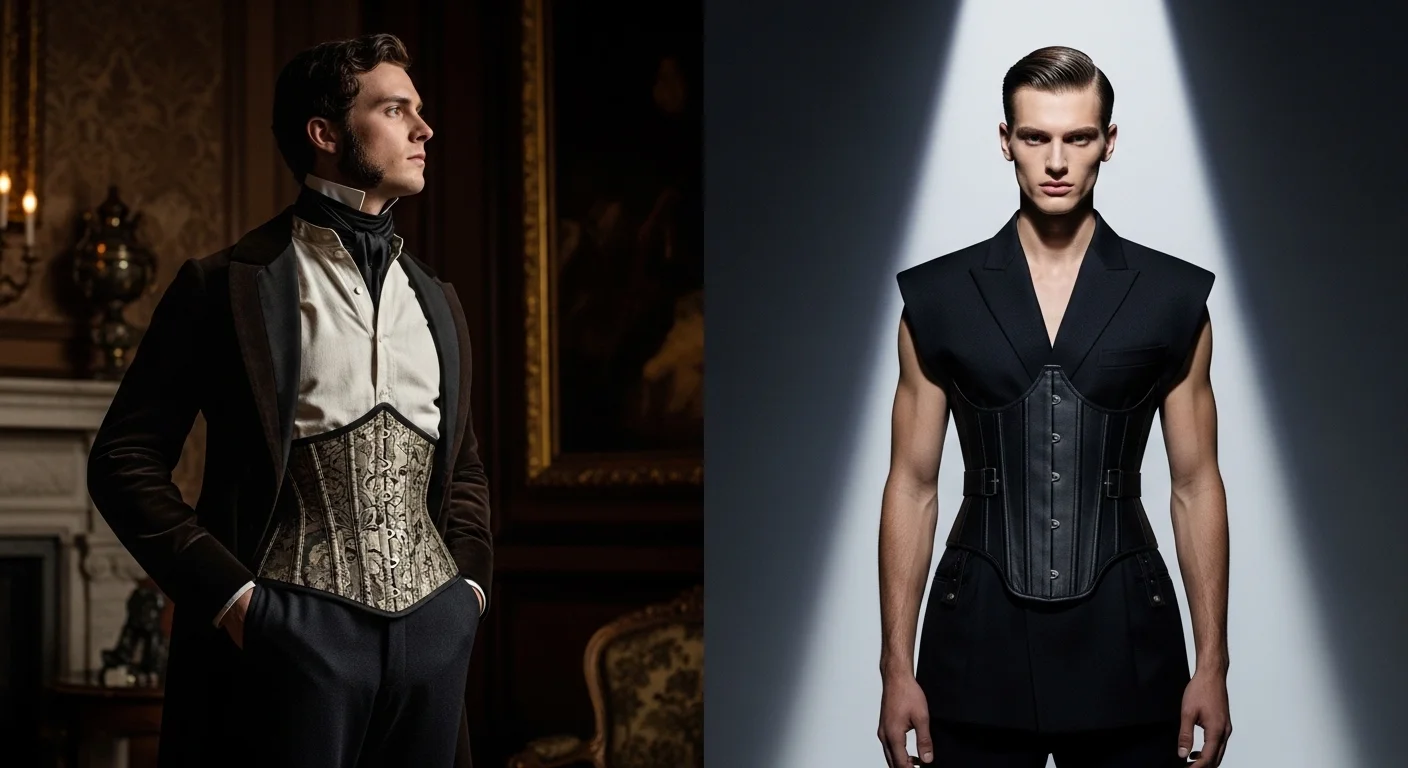
The idea of a corset in men may seem unusual to many people today, yet history tells a very different story. For centuries, structured garments have played a role in shaping clothing silhouettes for both men and women. While corsets are commonly associated with women’s fashion, men have also worn them for posture support, body shaping, and a refined appearance.
In recent years, interest in corsets for men has grown again. Designers, fashion enthusiasts, and historical researchers have begun exploring male corsetry and its place in modern style. From Victorian fashion to contemporary runways, men wearing corsets reflect changing attitudes toward clothing and self-expression.
Understanding the history, function, and modern use of corsets helps explain why this garment continues to appear in fashion discussions today.
What Is a Corset
A corset is a structured garment designed to shape and support the torso. It usually contains strong fabric, boning structures, and lacing systems that allow the wearer to adjust the fit. Historically, corsets were used to create a defined waist and maintain an upright posture.
Although many people associate corsets with women’s clothing, corsets for men have existed for centuries. The design often differs slightly to match the male body structure. Male corsets generally offer more room for the chest and a straighter silhouette compared to traditional female designs.
Modern male corsets are used in fashion, performance costumes, and posture support garments. Some styles are worn under clothing while others are meant to be visible as part of a fashion statement.
History of the Corset in Men
The history of the corset in men goes back several centuries. During earlier periods of European fashion, structured garments helped shape the body and create a polished appearance.
Early European Fashion
In early European society, clothing often emphasized elegance and symmetry. Tailored garments were designed to create clean body lines. Some men used early forms of corsetry to maintain straight posture and refined silhouettes.
Corsets in Eighteenth-Century Men’s Wear
During the eighteenth century, fashionable men sometimes wore structured garments under their clothing. These garments helped create a narrow waist and balanced figure. Among elite circles, appearance was closely tied to social status, so maintaining a stylish silhouette mattered greatly.
Victorian Era Male Corsetry
The Victorian era brought stronger attention to body structure in clothing. Some men adopted corsets to improve posture and achieve a slimmer waist. Male corsetry became particularly common among individuals who valued highly tailored fashion.
Decline in the Twentieth Century
As fashion changed during the twentieth century, structured garments became less common for men. Comfort and practicality replaced rigid shaping garments. However, corsets never disappeared completely and remained present in theatrical costumes, alternative fashion, and historical reenactment.
Why Men Wear Corsets
There are several reasons why men wear corsets today. While fashion plays a role, the motivations can vary depending on personal style and practical needs.

Posture Support
One important reason men use corsets is posture improvement. A well-fitted garment supports the back and encourages an upright position. Some people choose this option to help counter long hours of sitting or poor posture habits.
Waist Shaping and Body Structure
Corsets can help create a more defined waistline. Although the effect is often subtle, structured garments can refine the body silhouette and improve how clothing fits.
Fashion Expression
Modern fashion increasingly encourages experimentation. Men wearing corsets can use them as a bold fashion piece. Designers and stylists sometimes include male corsets in runway collections or creative outfits.
Performance and Costume Design
Corsets frequently appear in theater, film, and costume design. Actors and performers wear them to recreate historical clothing or dramatic visual effects.
Medical or Physical Support
In some cases, structured garments provide light support for the back or torso. Certain people prefer corsets for additional stability during physical activities or long periods of standing.
Types of Corsets for Men
Different styles exist depending on the purpose and design preferences.
Waist Training Corsets
Waist training corsets use strong boning and firm fabrics. These garments focus on shaping the waist while maintaining support.
Corset Vests
Corset vests combine the appearance of a vest with an internal corset structure. They provide shaping while blending easily into everyday clothing.
Underbust Corsets
Underbust designs begin below the chest and extend down to the waist. This style works well for layering under shirts or jackets.
Fashion Corsets
Fashion corsets focus on visual impact rather than strong shaping. They often appear in alternative fashion styles or artistic outfits.
How Corsets Fit the Male Body
Understanding the differences between male and female body shapes is important when designing corsets.
Male vs Female Corset Structure
Corsets designed for men usually provide broader chest space and less dramatic waist reduction. The goal is often to enhance posture and body structure rather than extreme shaping.

Body Proportions
Male bodies typically have straighter torso lines. Designers adjust the corset pattern to accommodate these proportions and maintain comfort.
Comfort and Adjustments
Lacing systems allow the wearer to adjust the tightness gradually. Proper fitting ensures that the garment supports the body without causing discomfort.
Modern Corset in Men’s Fashion
The modern fashion world has renewed interest in corsetry for men. Designers are increasingly experimenting with gender neutral clothing and historical influences.
Runway and Designer Influence
Fashion shows sometimes feature corsets as statement pieces. These designs blend historical inspiration with modern aesthetics.
Pop Culture and Celebrities
Musicians, performers, and fashion icons have occasionally worn corsets on stage or during public appearances. These moments often spark curiosity about male corsetry.

Street Style Trends
Alternative fashion communities have embraced corset in men as part of a unique personal style. Street fashion often mixes traditional garments with modern creativity.
Benefits of Corsets for Men
Many people choose corsets because of their functional and aesthetic advantages.
Improved posture remains one of the most common benefits. A supportive garment encourages the back to remain straight. Corsets can also enhance the way clothing fits by creating cleaner body lines.
Some individuals appreciate the confidence boost that structured garments provide. Wearing distinctive clothing can help express personal identity and creativity.
Safety Tips When Wearing Corsets
While corsets in men can be useful, wearing them correctly is important.
Correct Sizing
Choosing the right size ensures comfort and effectiveness. Measurements of the waist and torso help determine the proper fit.
Wearing Duration
Corsets should not be worn too tightly or for extremely long periods at first. Gradual adjustment helps the body adapt comfortably.
Avoiding Over-Tightening
Excessive tightening can cause discomfort. Proper lacing techniques allow the garment to support the body without restricting movement.
Common Myths About Corsets
Several myths surround the idea of male corsetry.
- Corsets Are Only for Women
History clearly shows that corset in men have been worn by both genders in different time periods.
- Corsets Are Always Uncomfortable
When properly fitted, corsets can feel supportive rather than restrictive.
- Corsets Damage the Body
Most problems occur only when garments are worn incorrectly. Proper sizing and moderate use usually prevent issues.
Styling Ideas for Men Wearing Corsets
Fashion enthusiasts often experiment with creative ways to include corsets in outfits.
- Casual Outfit Ideas
Some people layer underbust corsets beneath loose shirts or jackets for subtle shaping.
- Gothic and Alternative Fashion
Alternative styles often use visible corsets paired with dramatic clothing pieces.
- Formal or Runway Looks
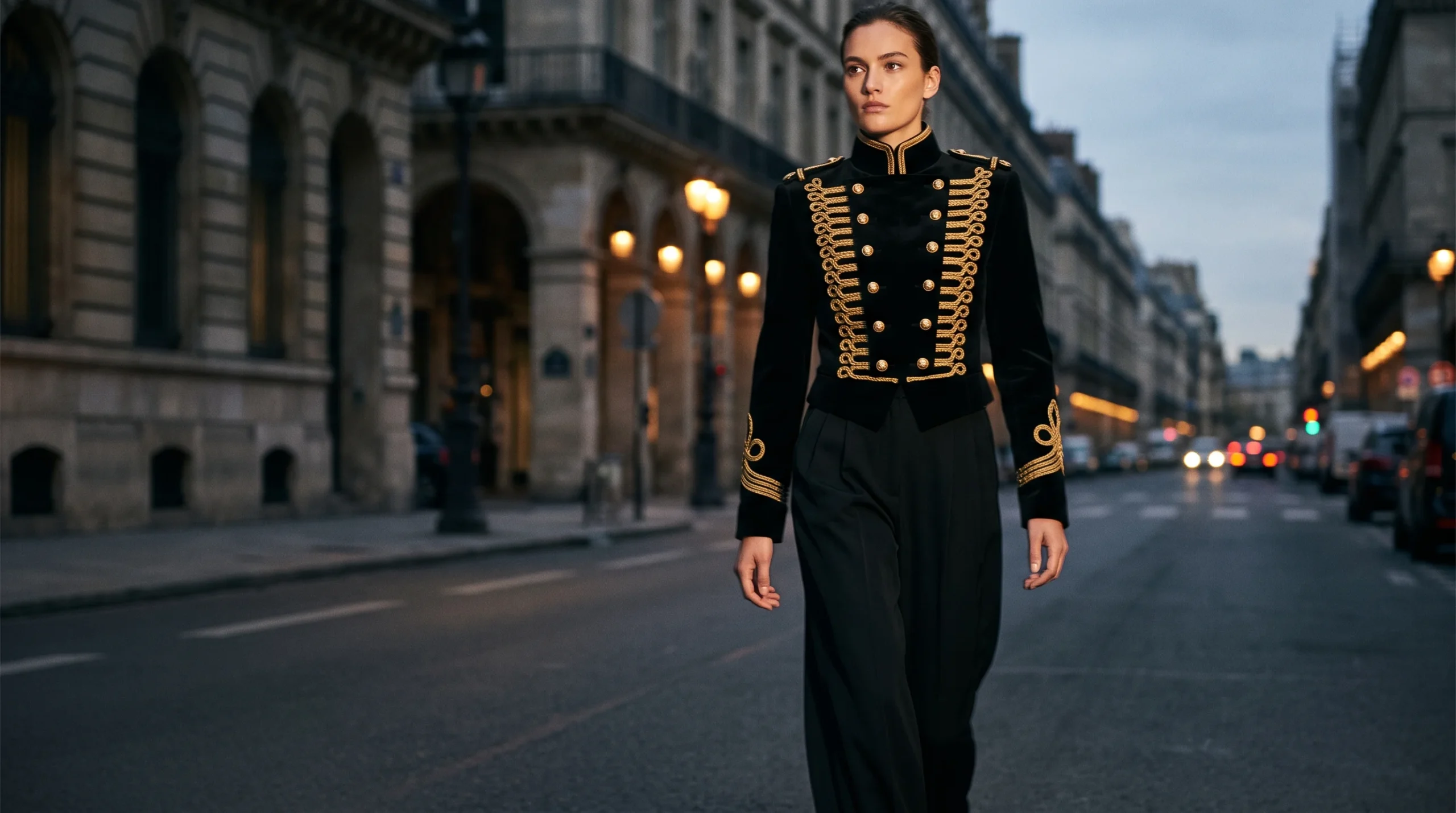
Designers sometimes combine corsets with tailored suits to create a striking visual contrast.
Future of Corsets in Menswear
The future of corset in men may involve increased experimentation with gender neutral fashion. Designers are exploring ways to combine historical garments with modern materials and comfort.
As conversations about self-expression continue to evolve, clothing boundaries are becoming more flexible. This shift could allow garments like corsets to appear more frequently in men’s fashion collections.
Conclusion
The story of corsets in menswear reveals a fascinating blend of history, fashion, and personal expression. From early European clothing traditions to modern runway designs, corsets have played many roles in shaping appearance and posture.
While they may not be common everyday garments, corsets continue to attract interest among designers, historians, and fashion enthusiasts. Understanding their history and purpose helps explain why the corset in men remains an intriguing topic within the world of fashion.













Leave a Reply