
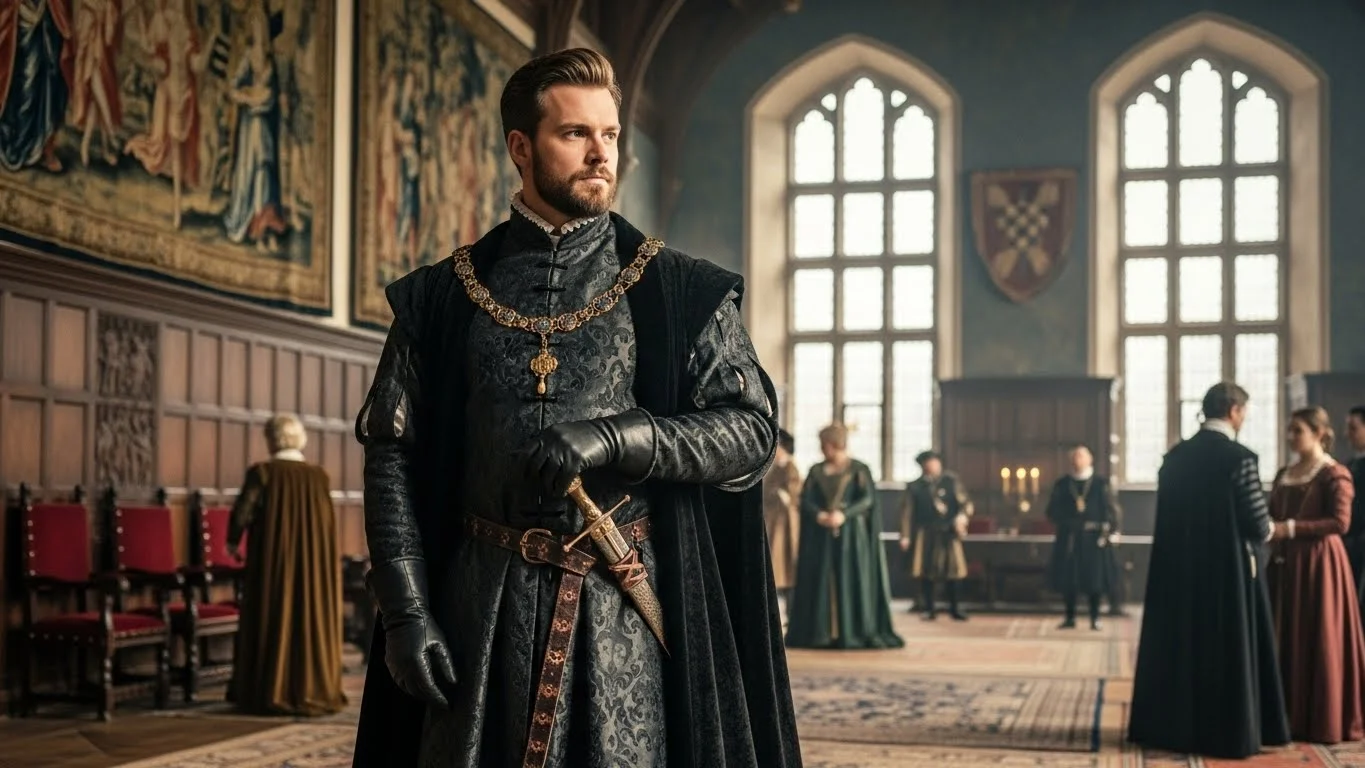
Tudor fashion reflects one of the most fascinating periods in English history. From the reign of Henry VII to Elizabeth I, clothing was more than just a necessity it was a statement of identity, status, and taste. The Tudor era was characterized by elaborate garments, rich fabrics, and layers of accessories that demonstrated the wearer’s rank and wealth. Today, Tudor fashion continues to captivate historians, costume enthusiasts, and anyone interested in the evolution of style.
Tudor Fashion Timeline
Understanding Tudor fashion requires a look at how clothing evolved across the period. In the early Tudor era under Henry VII, fashion was practical but began to reflect social status with richer fabrics and decorative trims. During Henry VIII’s reign, clothing became more extravagant with padded doublets, voluminous gowns, and large ruffs.
Edward VI continued these trends but emphasized more structured shapes for both men and women. By the Elizabethan era, fashion reached its peak of opulence with farthingales, elaborate ruffs, and layers of embroidery. Throughout the Tudor period, the combination of fabrics, colors, and accessories communicated rank and wealth.
Men’s Tudor Fashion
Men’s fashion was both functional and symbolic. Everyday clothing included a linen shirt and breeches, often covered with a padded doublet. Hose were commonly worn to cover the legs, and codpieces became prominent as both a practical and decorative element.
For court occasions, men dressed in luxurious fabrics such as silk and velvet. Ruffs around the neck added a formal touch, and hats or bonnets completed the outfit. Accessories like belts, gloves, and jewelry indicated social status. Seasonal variations were also significant during the Tudor era, with heavier fabrics used in winter and lighter materials for summer wear.
Women’s Tudor Fashion
Women’s clothing in Tudor England was characterized by layered garments and structured shapes. The base layer was the shift, followed by a kirtle, which provided the foundation for more elaborate gowns. Farthingales created a wide, conical shape for skirts, while sleeves were often slashed or puffed for added style.
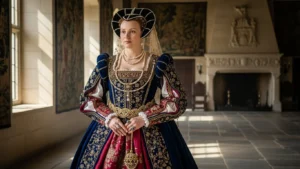
Ruffs around the neck became a hallmark of Elizabethan fashion, with some reaching remarkable sizes. Headwear included French and English hoods, and women often decorated their outfits with belts, jewelry, and embroidery. Tudor fashion also considered daily activities, with practical yet stylish outfits for home life, while ceremonial or court dresses were more extravagant and restrictive.
Accessories and Decorative Details
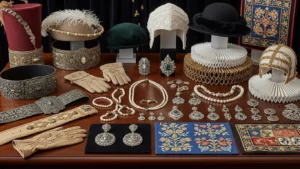
Accessories were essential to Tudor fashion for both men and women. Jewelry, including rings, necklaces, and brooches, was used to signify status. Belts and sashes added structure to garments and provided a decorative element. Embroidery adorned fabrics with intricate patterns, while hats and bonnets completed the ensemble. Even footwear reflected social position, with high-quality leather shoes for the wealthy and simpler options for commoners. Each element was carefully selected to convey rank, taste, and wealth in Tudor society.
Social Rules and Sumptuary Laws
Tudor fashion was regulated through sumptuary laws, which dictated what materials and colors could be worn by different social classes. Certain fabrics like silk and velvet were reserved for the nobility, while commoners were restricted to wool or linen. Colors such as purple and crimson were often limited to royalty. Clothing thus became a visible indicator of social hierarchy. These regulations shaped the style choices of individuals and reflected the rigid structure of Tudor society.
Fabrics, Colors, and Materials
It relied on a variety of fabrics and colors to communicate status. Wool and linen were widely used for everyday wear, while silk, velvet, and brocade were reserved for the wealthy. Colors carried meaning, with purple symbolizing royalty, red indicating high rank, and black used in formal and mourning attire. Embroidery, lace, and metallic threads added decorative details that highlighted wealth and taste. The combination of layers, fabrics, and colors created the striking aesthetic that defined Tudor fashion.
Tudor Fashion in Art, Media, and Reenactment
Portraits and paintings from the Tudor era provide invaluable insight into the clothing of the time. Artists captured the textures, colors, and accessories with remarkable detail, preserving the legacy of Tudor fashion. In modern times, it inspires films, television series, theater productions, and historical reenactments. Costume designers often reference original garments to recreate authentic styles, while enthusiasts embrace fashion for educational and recreational purposes.
Tips for Tudor Costume Enthusiasts
For those interested in experiencing Tudor fashion today, attention to layers and fabrics is essential. Recreating authentic Tudor outfits involves selecting appropriate materials, such as linen for undergarments and brocade for outer layers. Accessories like ruffs, hats, and jewelry help achieve an accurate look. Understanding seasonal clothing variations and the differences between everyday and formal attire will enhance authenticity. This fashion can be both educational and enjoyable, offering a window into the elegance and complexity of 16th-century England.
Glossary of Key Terms
To navigate Tudor fashion, it is helpful to understand the terminology used during the period. A doublet refers to a close-fitting jacket worn by men, while hose cover the legs. Codpieces were decorative and practical, ruffs were pleated collars, and farthingales created structured skirts for women. Kirtles were foundational dresses, and hoods and bonnets completed headwear. Familiarity with these terms enriches the understanding of Tudor clothing and style.
FAQs
What did Tudor men wear daily?
Tudor men typically wore a linen shirt, breeches, and a doublet. Wealthier men added hose, ruffs, and accessories to reflect their status.
How were Tudor women’s gowns structured?
Women layered shifts, kirtles, and farthingales, adding sleeves, ruffs, and embroidery for style. Headwear and jewelry completed the look.
How did social class affect Tudor clothing?
Social rank dictated fabric choice, color, and ornamentation. Nobles wore luxurious materials, while commoners had simpler garments.
What were the iconic accessories in Tudor clothing?
Belts, jewelry, hats, and shoes were essential. Embroidery and ruffs added elegance and reflected social position.
Conclusion
Tudor fashion is a remarkable blend of art, culture, and social symbolism. The clothing of men and women during the 16th century was carefully designed to communicate wealth, status, and identity. From the luxurious fabrics to intricate accessories, every element of Tudor tells a story about the society in which it existed. Its legacy continues to influence modern costume design, reenactments, and historical study, making Tudor fashion a timeless subject of fascination.











Leave a Reply