
Wedding rings are one of the most enduring symbols of love and commitment. Many couples often ask which finger to wear wedding ring on. The choice of finger is not only a matter of tradition but also a reflection of cultural customs, personal preferences, and symbolism. This guide will provide you with everything you need to know about the wedding ring finger, including historical origins, global traditions, modern practices, and practical tips for wearing your rings comfortably and stylishly.
The Traditional Wedding Ring Finger Explained
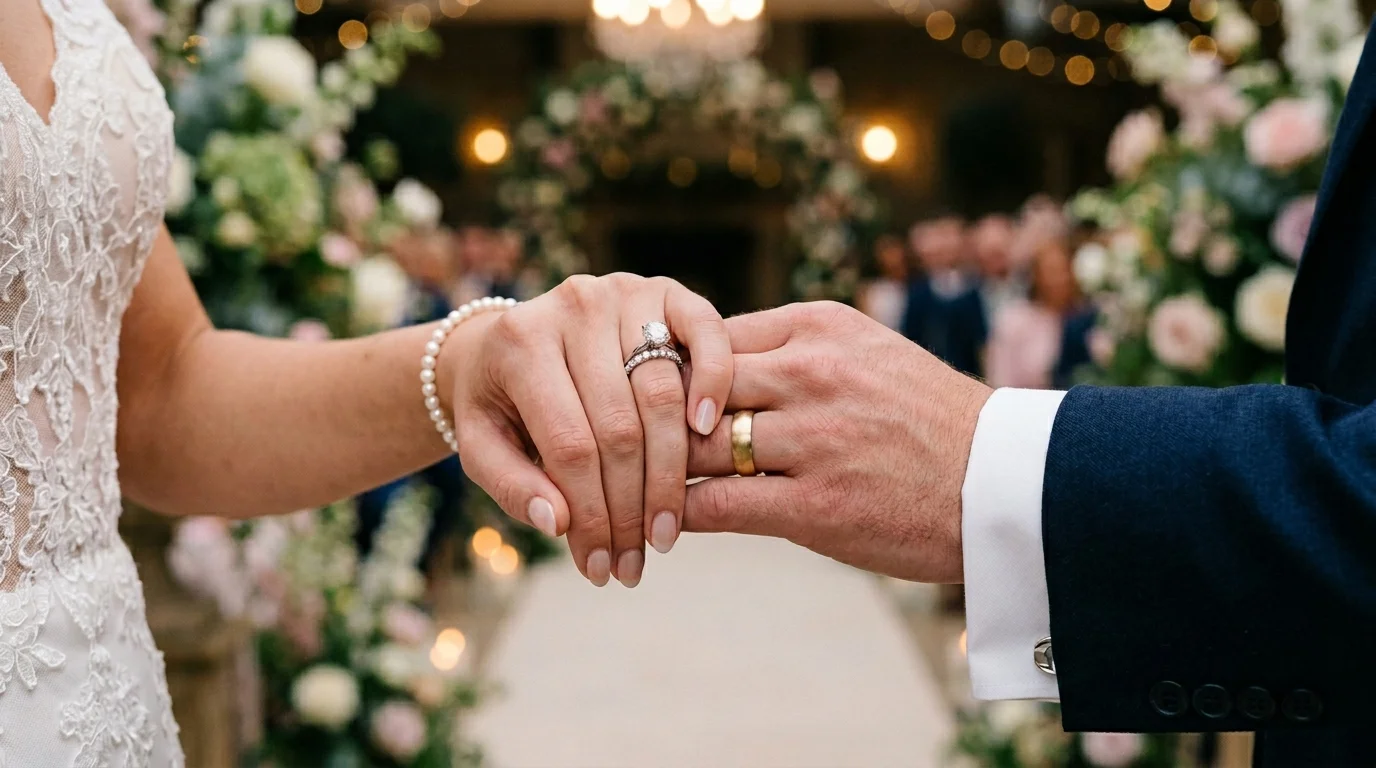
When it comes to understanding which finger to wear wedding ring on, most traditions point to the fourth finger of the left hand, commonly called the ring finger. This choice has its roots in the ancient belief in the vena amoris, a vein thought to run directly from this finger to the heart. Wearing your wedding ring on this finger symbolizes love, fidelity, and the lifelong commitment between partners.
The wedding ring finger has been the standard in many Western countries for centuries. Historically, it was chosen for its symbolic connection to the heart, but it also offers practical benefits. The ring finger is typically less active than other fingers, reducing the risk of damage or discomfort. Knowing this tradition helps couples respect long-standing customs while celebrating their unique love story.
Left Hand vs Right Hand: Global Traditions
While the left-hand ring finger is the norm in countries such as the United States, the United Kingdom, and Canada, other parts of the world have different customs. In Germany, Russia, and many Orthodox Christian communities, wedding rings are worn on the fourth finger of the right hand.
Religious practices, cultural influences, and even regional differences can dictate which finger to wear wedding ring on. Some traditions emphasize wearing both engagement and wedding rings on the same hand, while others move the rings after the ceremony. Understanding these variations ensures that your choice aligns with your cultural, religious, or personal preferences.

Engagement Ring vs Wedding Ring: Placement and Stacking Tips
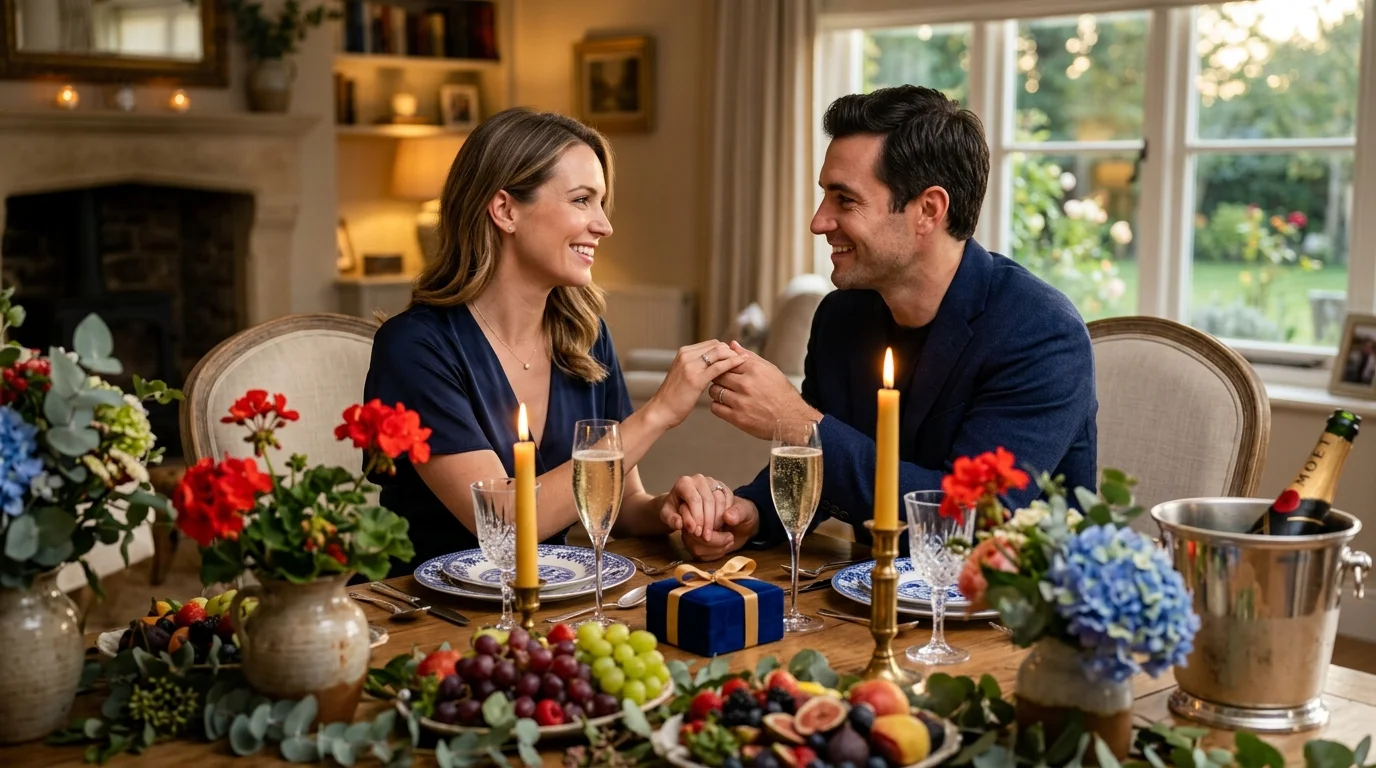
One common question couples ask is whether engagement rings and wedding rings should share the same finger. Traditionally, the engagement ring is worn on the left-hand ring finger before the wedding, with the wedding band placed closest to the heart during the ceremony. The engagement ring is then stacked above the wedding band. This stacking order symbolizes the importance of the wedding ring as the primary commitment.
Stacking rings can be done creatively, using matching metals or combining gold, platinum, or gemstone designs. Comfort is crucial, so make sure both rings fit together well to prevent pinching or irritation. Proper placement enhances both the aesthetic appeal and symbolic meaning of your rings.
Finger Symbolism Beyond the Ring Finger
Although the ring finger is most commonly used for wedding rings, other fingers carry their own meanings. Wearing a ring on the thumb can signify independence and strength, while the index finger represents authority, leadership, and ambition. The middle finger symbolizes balance, responsibility, and practicality.
Some modern couples choose non-traditional fingers for aesthetic or personal reasons. For example, a ring on the right-hand middle finger can showcase a custom design, while leaving the left-hand ring finger for tradition. Understanding finger symbolism allows for personalization while maintaining meaningful traditions.
Modern Wedding Ring Practices
Today, couples often prioritize comfort and personal style when deciding which finger to wear wedding ring on. Non-traditional fingers or hands may be chosen for practical reasons, such as professions requiring frequent hand use or physical activity. Personalized designs, including engraved bands, unique metals, or custom gemstones, are increasingly popular.
Modern trends also include creative stacking of engagement rings, wedding bands, and anniversary rings. These approaches allow couples to blend tradition with modern expression, reflecting both their personalities and practical needs.
Practical Tips for Wearing Your Ring
Comfort and longevity are key when wearing your wedding ring. Proper sizing ensures your ring stays secure without causing discomfort, particularly during temperature changes or physical activity. It is recommended to have your finger professionally measured before purchasing your rings.
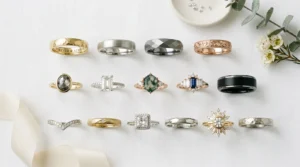
Material choice affects maintenance as well. Gold, platinum, and silver rings require regular cleaning, while diamond or gemstone settings may need extra care. Avoid wearing your rings during activities that could damage them, such as heavy lifting or gardening. By following these practical tips, your wedding ring will remain both beautiful and meaningful for years.
Cultural and Religious Nuances
Wedding ring customs vary widely across cultures. In some countries, right-hand placement is standard, while in others, engagement rings are worn on the left hand and wedding bands on the right. Some cultures even exchange multiple rings during the ceremony, including family heirlooms or symbolic bands.
Religious traditions may influence not only the hand but also the sequence of rings during a ceremony. Learning these nuances allows couples to honor their heritage while making informed choices that reflect personal style and practical considerations.
FAQs
Can I wear my wedding ring on the right hand?
Yes. Many cultures traditionally wear wedding rings on the right hand. Your personal choice, cultural background, and religious practices can guide this decision.
Can engagement and wedding rings go on the same finger?
Traditionally, the wedding ring goes closest to the heart, with the engagement ring stacked above. This stacking method is symbolic and visually pleasing.
What if my profession prevents wearing a ring?
Some professionals opt for alternative fingers, removable rings, or simplified bands to maintain safety and comfort while preserving the symbolic meaning.
Are there alternatives for non-traditional couples?
Absolutely. Couples may choose different fingers or hands, or even symbolic jewelry alternatives, allowing for personal expression while honoring the significance of the wedding ring.
Fun Facts
Wedding rings are rich in history and cultural significance. Some ancient civilizations believed rings could protect against evil spirits. In other regions, the size, material, and design of a ring conveyed social status or marital intention. Famous historical weddings highlight unique rings, illustrating how the tradition has evolved over centuries.
Today, wedding rings combine tradition with modern creativity, allowing couples to celebrate their union in meaningful and personalized ways. Understanding the history and cultural context enhances the appreciation of this timeless symbol of love.



















Leave a Reply