
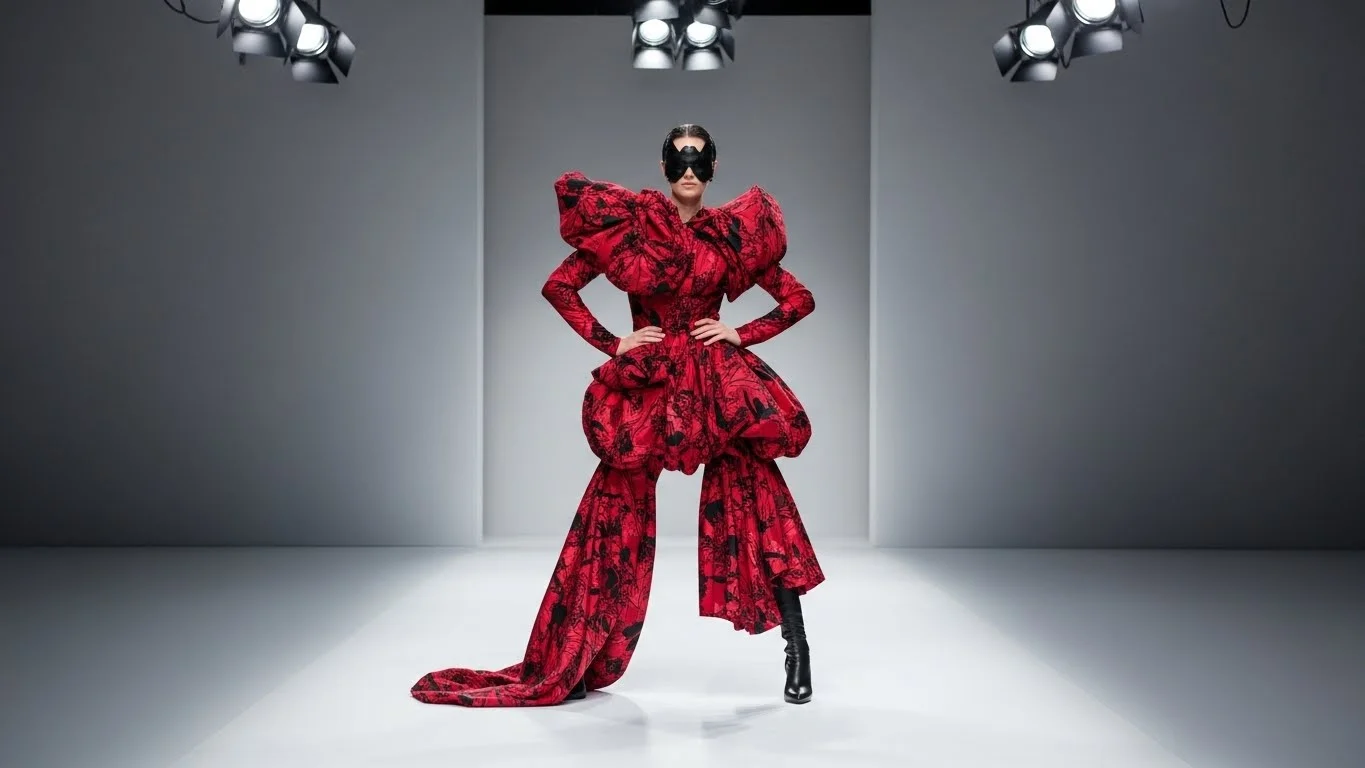
Avant-garde fashion is a style that challenges conventional clothing by embracing innovative designs and creative experimentation. The term “avant-garde” originates from French, meaning “advance guard,” which reflects fashion that explores new ideas and pushes boundaries. Unlike mainstream clothing, this style focuses not only on apparel but also on artistic expression, storytelling, and individuality.
The fashion often includes abstract shapes, unusual textures, and bold construction techniques. It is both visually striking and conceptually meaningful, appealing to those who appreciate fashion as a form of art.
History and Evolution of Avant-Garde Fashion
The origins of experimental fashion trace back to artistic movements like Dadaism, Surrealism, and Futurism, which sought to challenge societal norms. In the early 20th century, designers began transforming these radical ideas into wearable forms, creating pieces that were as much about visual impact as they were about functionality.
During the 1980s and 1990s, designers such as Rei Kawakubo of Comme des Garçons and Yohji Yamamoto popularized deconstruction, asymmetry, and oversized silhouettes. These innovations firmly established avant-garde style as a revolutionary approach to fashion. Today, experimental fashion continues to evolve, blending traditional craftsmanship with modern techniques, innovative materials, and sustainable practices.
Key Characteristics of this Style
Several unique features distinguish avant-garde clothing:
-
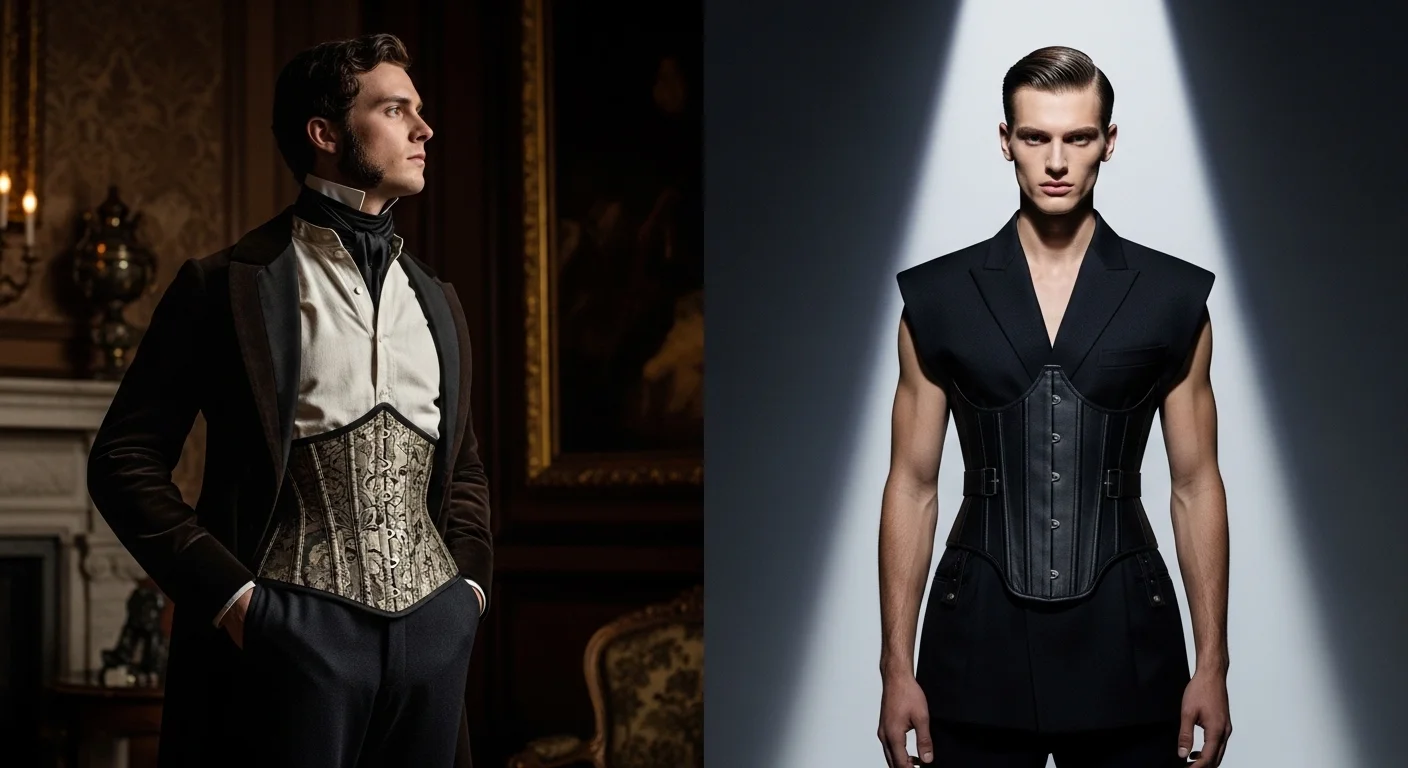
Innovative Silhouettes: Designs often include oversized shapes, exaggerated forms, or architectural structures that create dramatic visual effects.
-
Unconventional Materials: Fabrics may include plastics, metals, or recycled materials, adding texture and creativity to the garment.
-
Deconstruction and Asymmetry: Many pieces defy conventional tailoring, resulting in fragmented, layered, or unconventional forms.
-
Color and Visual Focus: While some garments feature bold colors, many designers prefer monochrome palettes to highlight shape and structure.
-
Conceptual Storytelling: Every piece can tell a story, reflect a cultural idea, or express a designer’s personal vision.
These elements combine to make avant-garde clothing not only visually captivating but also intellectually stimulating.
Influential Avant-Garde Designers
Several designers have shaped the avant-garde movement:
-
Rei Kawakubo (Comme des Garçons): Known for deconstruction and conceptual clothing that challenges traditional norms.
-
Yohji Yamamoto: Recognized for flowing silhouettes, oversized garments, and minimalistic color schemes.
-
Alexander McQueen: Combined theatrical storytelling with technical craftsmanship.
-
Iris van Herpen: A modern innovator using 3D printing and futuristic materials.
-
Martin Margiela: Famous for deconstructed, conceptual fashion pieces.
These designers exemplify how avant-garde outfits merge artistry with clothing innovation.
Examples
Iconic examples illustrate the creativity of this fashion style:
-
Runway shows often present sculptural, abstract pieces that defy traditional clothing conventions.
-
Celebrities like Lady Gaga and Björk popularize theatrical and bold avant-garde outfits.
-
Everyday fashion enthusiasts can incorporate avant-garde elements by pairing statement pieces with classic wardrobe staples, creating an individualized, stylish look.
By observing these examples, one can understand how avant-garde style influences both runway trends and contemporary fashion culture.
How to Wear Avant Garde Fashion
Integrating avant-garde clothing into daily life is about balancing creativity and wearability:
-
Start Small: Incorporate sculptural accessories, statement shoes, or asymmetrical jewelry.
-
Pair with Basics: Combine experimental tops, skirts, or jackets with neutral staples to maintain balance.
-
Layer Creatively: Mix different textures and materials to add depth to an outfit.
-
Play with Proportions: Oversized or structured garments can elevate simple clothing into bold statements.
The goal is to express individuality and creativity without overwhelming the outfit.
Cultural and Social Impact of Avant-Garde Fashion
Avant-garde style is more than clothing; it serves as a medium for cultural expression. Designers often address social issues, gender identity, or environmental concerns through experimental pieces. By challenging norms, avant-garde clothing encourages creativity and individuality, inspiring fashion enthusiasts and artists alike.
The influence extends beyond fashion, impacting photography, film, and visual arts, demonstrating that this movement has a significant cultural footprint.
Sustainability and Avant Garde Fashion
Many avant-garde designers now incorporate sustainability into their work:
-
Eco-Friendly Materials: Innovative fabrics, recycled textiles, and organic fibers reduce environmental impact.
-
Upcycling: Old garments are transformed into new, conceptual pieces.
-
Innovation and Responsibility: Designers are creating fashion that is both cutting-edge and eco-conscious.
Sustainable avant garde fashion ensures that creativity and responsibility coexist, influencing both the industry and consumer practices.
Trends 2026
Emerging trends highlight the evolving nature of experimental fashion:
-
Use of futuristic fabrics and high-tech materials
-
Oversized silhouettes combined with practical wearability
-
Collaborations between avant-garde designers and mainstream brands
-
Social media-driven fashion influences everyday style
These trends show that avant-garde clothing remains relevant and continues to shape global fashion trends.
FAQs
How can I wear avant garde fashion daily?
Start with statement pieces, pair them with basics, and experiment with layering and proportions.
Who are the top avant-garde designers?
Rei Kawakubo, Yohji Yamamoto, Alexander McQueen, Iris van Herpen, and Martin Margiela are among the most influential designers.












Leave a Reply