
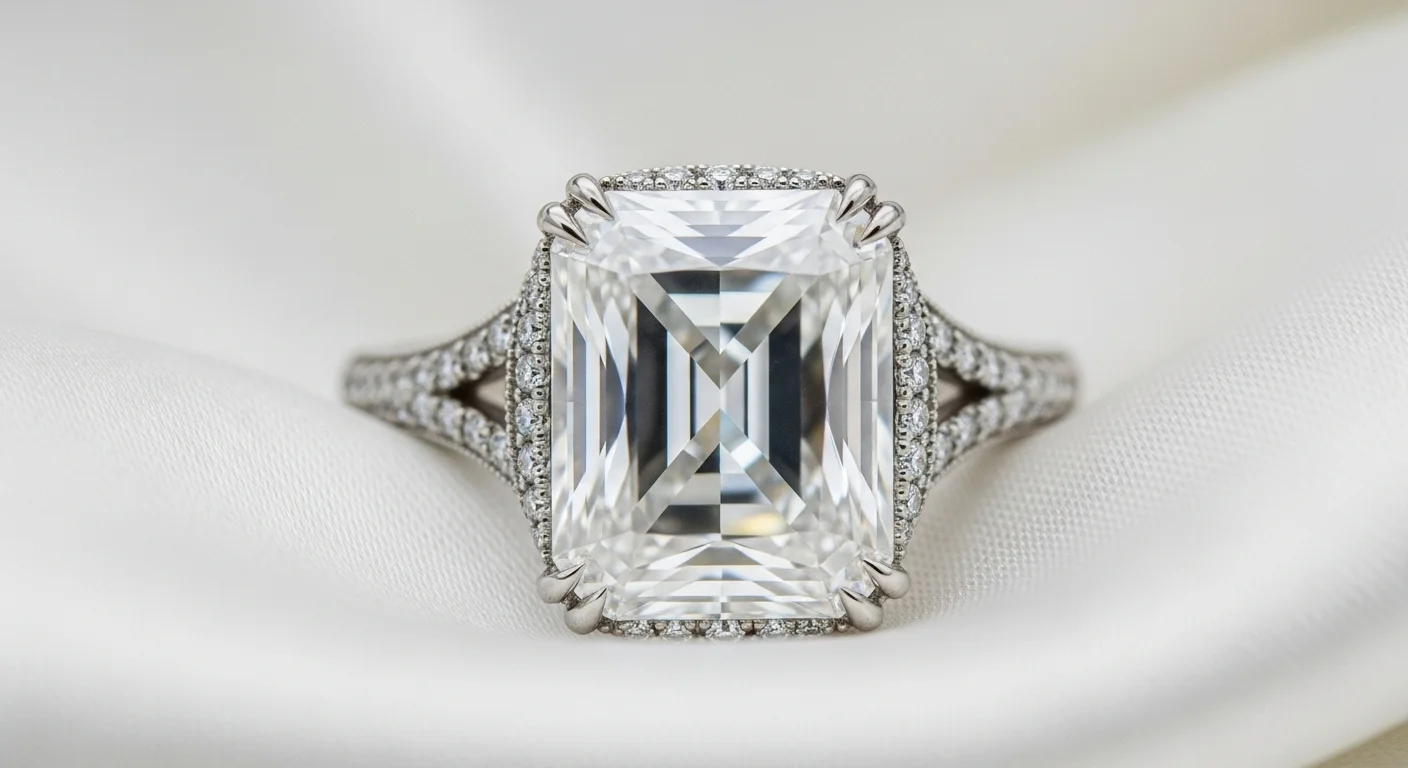
The portrait-cut diamond has become one of the most captivating and elegant diamond cuts in modern jewelry. Known for its clear, flat surface and mirror-like beauty, this rare cut has gained renewed admiration among collectors and brides who appreciate minimalist design and refined craftsmanship. Let’s explore everything you need to know about this extraordinary diamond, from its origin and features to how to choose and care for it.
What is a Portrait Cut Diamond
A portrait-cut diamond is a thin, transparent diamond with a large, flat table and very few facets. Its name comes from the historical use of these diamonds as protective covers over miniature painted portraits. Unlike brilliant cuts that emphasize sparkle, the portrait cut highlights clarity and transparency, allowing you to see through the gem almost like clear glass. Jewelers often describe it as a “window into light,” creating a serene, understated beauty rather than the intense fire of other cuts.
A Brief History and Origins of the Portrait Cut
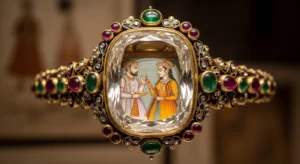
The portrait cut originated in ancient India, where diamond cutting first began. These early artisans discovered that a thin, flat slice of diamond could reflect light in a delicate and graceful way. During the Mughal period, portrait-cut diamonds, also known as lasque diamonds, were used to cover intricate miniature paintings and royal portraits. Over time, this antique cut found its way into European jewelry, often symbolizing purity and sophistication. Today, modern designers are reviving the portrait cut for engagement rings and high jewelry because of its ethereal, vintage appeal.
Distinctive Features and How It Differs from Other Cuts
Portrait-cut diamonds stand out due to their ultra-thin profile and open table. Unlike round brilliant or princess cuts that rely on multiple facets to create sparkle, this cut emphasizes clarity and structure. The fewer facets mean less light dispersion, resulting in a soft, subtle glow instead of a fiery sparkle.
This diamond’s flat surface makes it appear larger than its carat weight, giving the illusion of size while maintaining a lightweight design. Compared to rose or emerald cuts, the portrait cut diamond feels minimalist and architectural, a favorite for those who appreciate quiet elegance over flashy brilliance.
Why Choose a Portrait Cut Diamond
Choosing a portrait cut diamond is often a statement of individuality. It appeals to those who prefer simplicity, uniqueness, and modern artistry. Its glass-like appearance creates a floating illusion when set in jewelry, making it ideal for those seeking something different from the typical round or cushion cuts.
This cut also suits both vintage-inspired and contemporary designs. Because of its large face-up appearance, you get more visual impact for less carat weight, which makes it an economical yet stylish choice. Many designers use portrait cuts in geometric shapes like hexagons, kites, and shields, adding even more character to each piece.
What to Watch Out For: Pros and Cons
Pros:
-
Unique, minimalist appearance that stands out from traditional cuts.
-
Large face-up size compared to carat weight.
-
Works beautifully in both antique and modern settings.
-
It showcases diamond clarity and craftsmanship.
Cons:
-
Less brilliance and fire compared to brilliant cuts.
-
Requires exceptional clarity because imperfections are easily visible.
-
Fragile edges due to its thinness, needing careful setting and maintenance.
-
It can be harder to find due to limited production and specialized cutting skills.
Despite these drawbacks, the portrait cut remains a timeless and sophisticated option for those who value refinement over flashiness.
How to Choose a Portrait Cut Diamond
When selecting your diamond, focus on these quality aspects:
1. Color and Clarity
Since the stone is transparent and flat, inclusions and color tints are more visible. Opt for higher clarity grades (VS or better) and near-colorless tones for the most striking appearance.
2. Carat and Cut
The flat shape means the diamond may weigh less but appear larger. Prioritize symmetry, polish, and craftsmanship over carat size. A perfectly proportioned stone enhances elegance.
3. Certification and Provenance
Ensure your diamond comes with certification from reputable labs like GIA or IGI. Verify the sourcing to confirm it meets ethical and sustainable standards, an area many competitor articles overlook but increasingly valued by buyers.
4. Budget and Pricing
Due to its rarity and craftsmanship, pricing can vary significantly. Generally, you may pay less per carat than for a brilliant cut, but premium clarity and custom shapes can increase cost. Always compare certified stones and work with a trusted jeweler who specializes in fancy cuts.
Setting and Design Ideas for Portrait Cut Diamonds
Portrait cuts are versatile in design. They are often set in bezel or flush settings, which protect the flat surface and emphasize their transparent character. Some jewelers experiment with hidden halos or colored backdrops to highlight the diamond’s clarity.
If you love creativity, consider geometric layouts such as hexagons or kite shapes. A portrait cut can also feature as the centerpiece in a contemporary engagement ring or as a subtle accent in a high jewelry necklace. Its simplicity allows jewelers to play with negative space, achieving a floating or modern sculptural look.
Care, Maintenance, and Durability
While the portrait cut is beautiful, its delicate structure requires gentle care. Always clean your diamond using mild soap and a soft brush to avoid scratches on the large table. Store it separately to prevent contact with other stones. Periodic professional cleaning helps maintain its shine.
Because of its flat design, this cut can be more prone to edge chipping. Ensure it is securely set, and avoid heavy impact while wearing it. Proper maintenance can help the stone retain its clarity and value for years.
Pricing, Market Trends, and Buying Tips
Portrait-cut diamonds have recently gained attention among collectors, stylists, and designers. Their blend of history and modern simplicity aligns perfectly with the growing demand for personalized and minimalist jewelry.
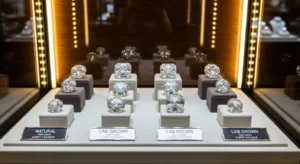
Prices vary depending on clarity, carat, and custom shapes. The rise of lab-grown diamonds has also made portrait cuts more accessible to modern buyers. For the best value, compare multiple jewelers, request certificates, and explore both natural and lab-created options.
As sustainability becomes a key trend, ethically sourced portrait-cut diamonds appeal to conscious consumers who want timeless beauty with responsible origins.
FAQs
Is the portrait-cut diamond good for engagement rings?
Yes. It suits people who want a unique and elegant design that stands apart from traditional cuts.
Does it sparkle less than a brilliant cut?
Yes, but that is part of its charm. The subtle glow and transparency create a calm, graceful look.
What is another name for this cut?
It is also called a lasque diamond, especially in antique Indian jewelry.
Are portrait-cut diamonds durable?
They are durable if properly set and cared for, though their thinness requires gentle handling.
Where can I buy one?
You can find them through specialty jewelers, custom diamond cutters, or certified online stores that offer fancy cuts.
Final Thoughts:
The portrait cut diamond is a blend of history, art, and minimalism. It is ideal for those who admire clarity over sparkle and value sophistication over extravagance. Whether chosen for an engagement ring or a statement pendant, its serene beauty will never go out of style.
When selected with care and authenticity, a portrait-cut diamond can become a lifelong symbol of elegance and individuality.







Leave a Reply